If you're someone who struggles with binge eating, Christmas can bring up a lot of different feelings.
You might be looking forward to the food, the celebrations and spending time with people. But alongside that, there's the worry about what you'll eat, how much you'll eat and whether you'll end up binge eating.
Perhaps you're already thinking about how you can prepare.
Maybe you want to get into a better routine before December, eat a little less in November or make sure you don't go overboard when Christmas arrives.
But what if preparing for Christmas wasn't about getting your eating under control?
What if it was about making food feel less stressful, so you can actually enjoy the festive season without spending so much time thinking about what you're eating?
Here are five things you can start focusing on now.
1. Stop trying to save calories for Christmas
It's easy to fall into the trap of eating less in November because you know there will be more opportunities to eat in December.
You might skip breakfast, have a smaller lunch or try to avoid certain foods so you can enjoy yourself later.
But restricting your food now doesn't necessarily make eating feel easier over Christmas.
In fact, eating less can leave you feeling hungrier, more preoccupied with food and more likely to feel out of control when you do allow yourself to eat or when you are surrounded by food.
You don't need to save up calories for Christmas dinner, parties or the foods you enjoy.
Try to focus on eating enough throughout the day, even when you know you have a meal or celebration coming up.
2. Start practising regular eating now
If your eating feels unpredictable, it can be tempting to wait until January to get into a better routine.
But regular eating is something you can start working on now.
This doesn't mean following a strict meal plan or eating at exactly the same time every day.
It means giving your body consistent opportunities to get enough food.
For example:
Eating breakfast rather than waiting until lunchtime.
Having lunch even if you're going out for dinner later.
Including snacks when you need them.
Avoiding long gaps between meals because you're trying to eat less.
Regular eating can help reduce physical hunger and the build-up of deprivation that may contribute to binge eating.
You don't need to eat perfectly. You're working towards a pattern that feels more consistent and supportive.
3. Give yourself permission to enjoy foods you usually avoid
Do you have certain foods that you tend to avoid because you worry you'll eat too much of them?
Perhaps it's chocolate, biscuits, crisps or festive treats.
When you spend most of the year trying not to eat these foods, it's understandable that they can feel particularly appealing when they're everywhere at Christmas.
You might find yourself thinking about them more often or feeling like you need to eat as much as possible because you won't allow yourself to have them again afterwards.
Rather than waiting until December to give yourself permission, start challenging some of these food rules now.
This might mean buying a food you usually avoid, including it as part of a snack or allowing yourself to enjoy it without feeling that you need to compensate afterwards.
You don't have to force yourself to eat anything. The aim is to make food feel less forbidden and less loaded with guilt.
4. Think about the situations that you find difficult
Christmas isn't just about the food itself.
There might be particular situations that you find challenging.
For example:
Eating around family members who comment on food or weight.
Going to a buffet and worrying about how much you're eating.
Feeling uncomfortable when your usual routine changes.
Being surrounded by food and feeling like you can't stop thinking about it.
Feeling pressure to eat less during the day because you're going out for dinner.
Rather than trying to prepare for every possible situation, think about what tends to feel hardest for you.
What could help make that situation a little easier?
Perhaps you could plan to eat normally before going out, prepare a response to unwanted food comments or give yourself permission to take a break if you feel overwhelmed.
You don't need to have the perfect response to everything. Having a few ideas in mind can help you feel less caught off guard.
5. Decide how you'll respond if eating doesn't go to plan
One of the biggest things that can keep you stuck in the binge eating cycle is what happens afterwards.
You eat more than you intended, feel guilty and decide to compensate by skipping breakfast, eating less the next day or exercising to make up for it.
This can leave you feeling hungry and restricted again, making another binge more likely.
So, rather than focusing on how to avoid every difficult eating experience over Christmas, think about how you can respond with less judgement if one happens.
You could remind yourself:
One meal doesn't determine your health.
Eating more than you intended doesn't mean you've failed.
You don't need to compensate for what you've eaten.
You can return to regular eating at your next meal.
This isn't about pretending you feel fine when you don't. It's about recognising that punishment and restriction aren't going to help you feel better around food.
You don't need to get your eating under control before Christmas
If there's one thing I'd like you to take away from this, it's that you don't need to spend the next few weeks trying to become a different person around food.
You don't need to lose weight before Christmas, avoid your favourite foods or prove that you can stick to a set of rules.
You can start by eating regularly, challenging the food rules that aren't helping you and thinking about what support you might need during the festive season.
And remember, the goal isn't to have a Christmas where you never eat more than you intended or never feel uncomfortable around food.
It's to have a Christmas where food takes up a little less space in your head, and you have more freedom to enjoy the things that matter to you.
If you're struggling with binge eating and want to understand what's keeping you stuck, my free mini-class, Why You Can't Stop Binge Eating (And It's Not What You Think), explains what's really driving the cycle and what you can focus on instead.
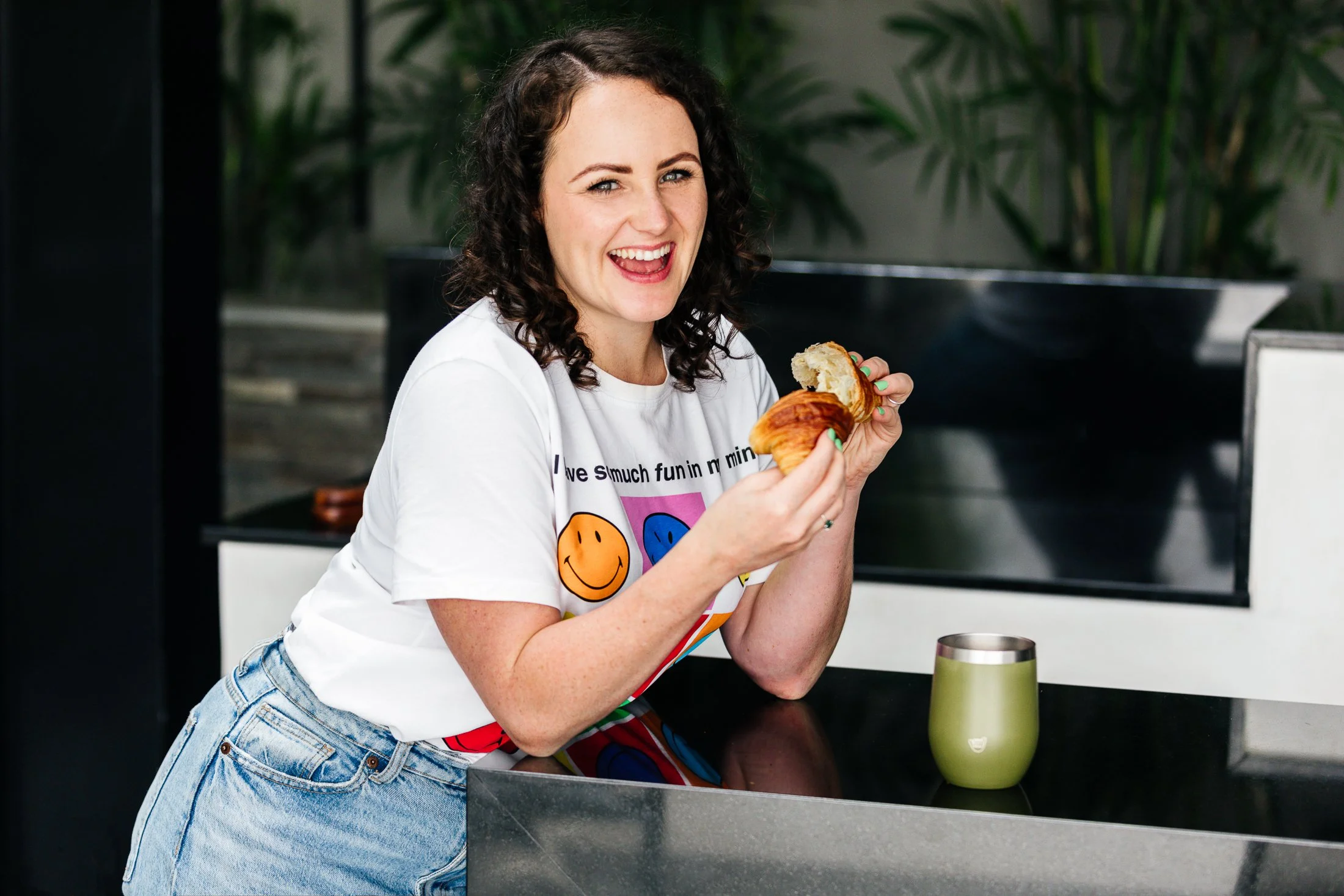
Ready To Break Free From Binge Eating?
Hi, I'm Toni, The Binge Dietitian.
I help women who are stuck in the cycle of dieting, binge eating, and starting over every Monday build a calmer, more balanced relationship with food.
Together, we'll work on reducing binge eating, letting go of food rules, and helping you feel more confident around all foods without relying on willpower, restriction, or another diet.
If you're tired of thinking about food all day and ready for a different approach, I'd love to support you.