After A Binge: A Dietitian's Guide To Recovery
You've just had a binge.
Maybe you're sitting on the sofa feeling uncomfortably full.
Maybe you're standing in the kitchen wondering how it happened again.
Maybe you're promising yourself that tomorrow will be different.
After a binge, many people feel overwhelmed by guilt, shame, frustration, and disappointment. You might feel angry with yourself for "lacking control" or worried that you've undone all your progress.
You may already be planning how to make up for it.
Skip breakfast.
Eat less tomorrow.
Exercise more.
Start again.
If this sounds familiar, you're not alone.
But what if recovering from a binge isn't about starting over at all?
Why The Urge To Start Over Feels So Strong
When you've had a binge, it's understandable to want to fix it.
Most of us have been taught that if we eat "too much", we should compensate by eating less later.
The problem is that this response often keeps the binge eating cycle going.
A binge can leave you feeling physically uncomfortable, but it can also trigger a wave of difficult emotions:
Guilt
Shame
Anxiety
Fear
Embarrassment
Self-criticism
In that moment, starting a new plan can feel reassuring. It creates the illusion that you're back in control.
But if you've been stuck in the binge eating cycle for a while, you've probably noticed that starting over doesn't usually solve the problem.
Don't Try To Make Up For It
One of the kindest things you can do after a binge is resist the urge to compensate or punish yourself.
That means avoiding things like:
Skipping meals
Restricting food
Excessive exercise
Detoxes or cleanses
I know this can feel uncomfortable.
You might be thinking "but I ate so much." This is common after a binge and it often come from guilt rather than what your body actually needs.
Your body doesn't need punishment. It needs care.
Return To Your Next Planned Meal
After a binge, many people decide to wait until they're "hungry enough" before eating again.
The problem is that this can quickly turn into hours of restriction, leaving you overly hungry later on.
Instead, try to return to your next planned meal or snack as normally as possible.
Not because you're ignoring what happened but because you're choosing not to let the binge dictate what happens next.
One binge does not require a day of restriction.
The goal isn't to erase the binge.
The goal is to break the binge-restrict cycle.
Get Curious Instead Of Critical
When we're hurting, it's often easier to blame ourselves than to get curious.
You might tell yourself:
"I have no willpower."
"What's wrong with me?"
"I should know better by now."
But self-criticism rarely helps us understand what happened.
Curiosity often does.
Ask yourself:
Had I eaten enough today?
Was I physically hungry?
Had I been restricting certain foods?
Was I stressed, overwhelmed, lonely, or exhausted?
What was happening before the binge?
A binge is not evidence that you've failed.
It's information.
Understanding what contributed to it can help you respond differently next time.
Be Gentle With Yourself
After a binge, your body may feel uncomfortable. You might feel bloated, sluggish, or tired.
Rather than fighting those feelings, try supporting yourself through them.
You could:
Drink some water
Wear comfortable clothes
Rest if you need to
Take a gentle walk if it feels good
Speak to yourself as you would a friend
If someone you cared about came to you feeling ashamed after a binge, would you tell them to punish themselves?
Or would you offer understanding and support?
You deserve that same compassion too.
Let Tomorrow Be A Normal Day
One of the biggest traps after a binge is deciding that tomorrow needs to be perfect.
Many people swing from bingeing to strict rules, only to find themselves back in the same cycle days later.
Instead, allow tomorrow to be ordinary. Eat breakfast. Have lunch. Eat foods you enjoy.
Carry on with your usual routine.
And remember,
You don't need to earn your meals.
You don't need to make up for what happened.
You don't need to start over.
A binge can feel like a setback when you're in the middle of it.
But one binge does not define you, and it does not erase the progress you've made.
Recovery isn't built by being perfect.
It's built through the small moments when you choose compassion over punishment and curiosity over criticism.
And that choice can start with your very next meal.
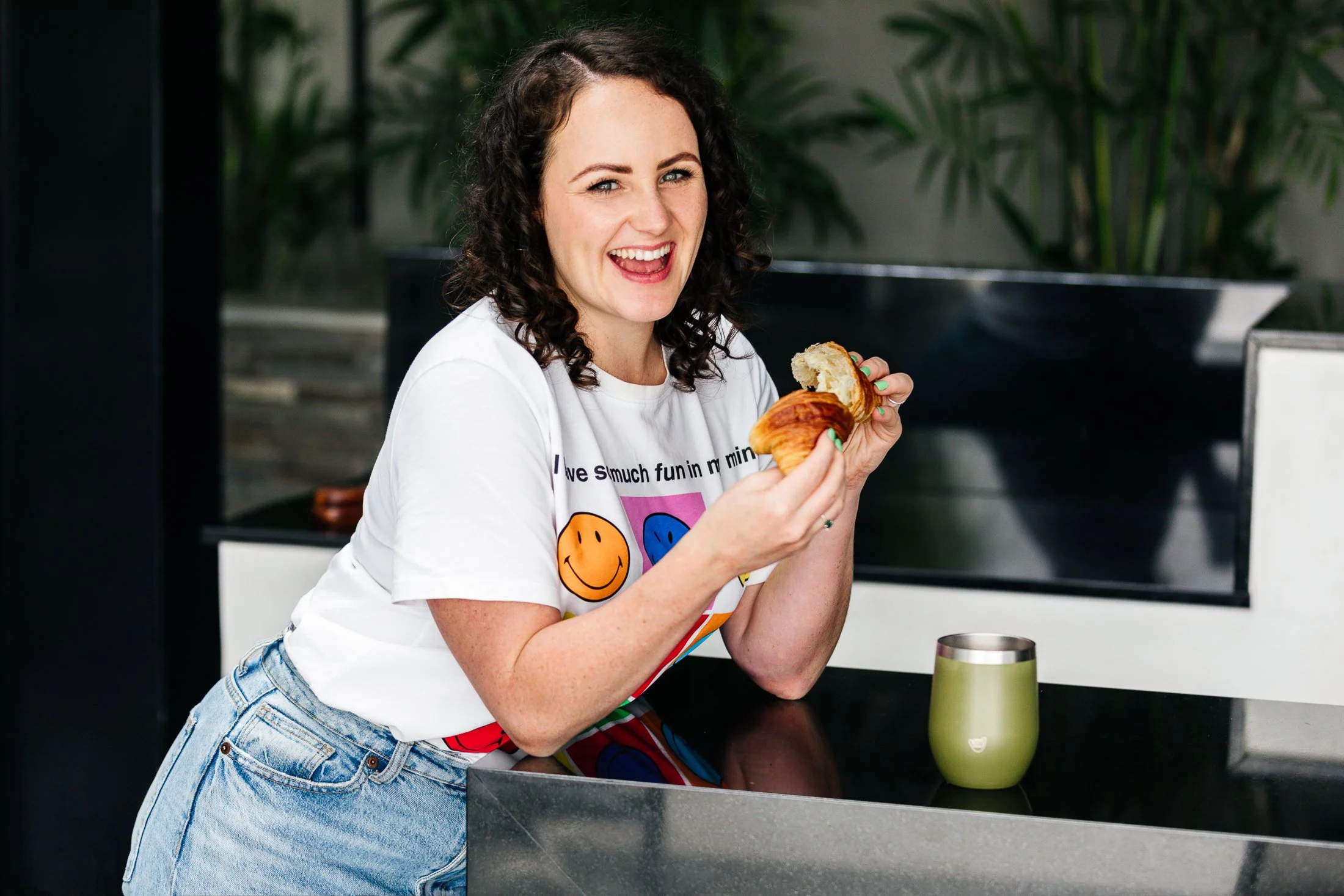
Hi, I’m Toni aka The Binge Dietitian
I help overwhelmed dieters stop binge eating by providing a personalised, compassionate, and non-diet approach.
I understand how confusing and frustrating it can be when you’re trying to improve your health. You’re feeling pulled in different directions about what to eat and what to avoid, often cutting out all your favourite foods in the process.